


19 August 2026
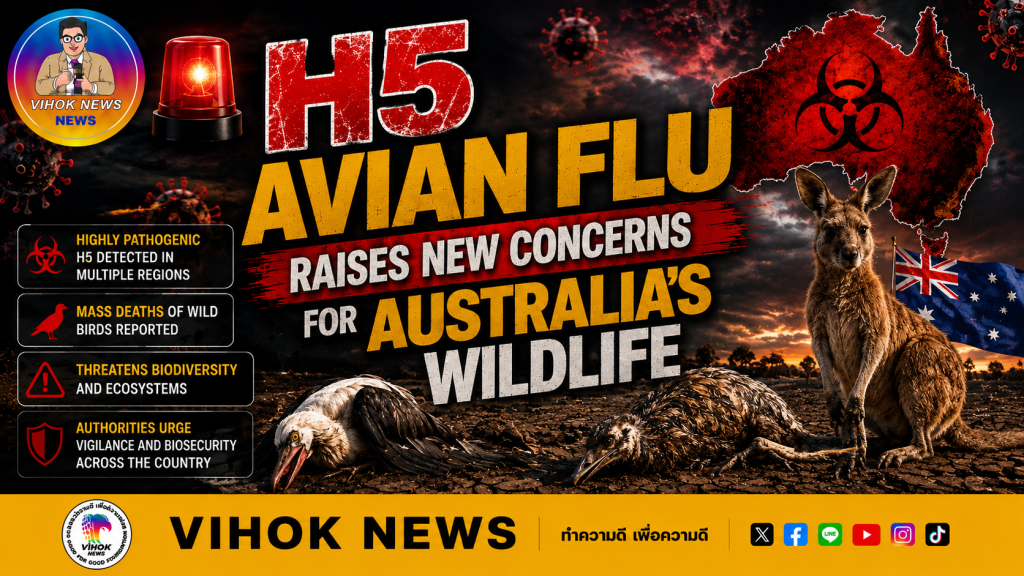
Australia is facing growing concerns over the impact of H5 avian influenza on wild birds, after infections were detected in wildlife, including gulls in South Australia.
The outbreak was first detected in Australia in June 2026, with concern increasing in late July after infected gulls were identified. Gulls are considered particularly vulnerable to spreading the virus because they gather in large groups, travel across populated areas and can feed on carrion.
Another species facing concern is the White-bellied Sea-Eagle, a top predator that may be exposed by hunting or feeding on infected birds. Conservation experts have warned that infected prey and carrion could create additional risks for raptors.
Australian authorities and scientists are closely monitoring the outbreak, including the possibility of genetic changes in the virus and any potential implications for human health.
The situation remains a developing wildlife-health issue, and its ultimate impact on Australian bird populations is not yet known.
VIHOK NEWS
Source: The Guardian / CSIRO